
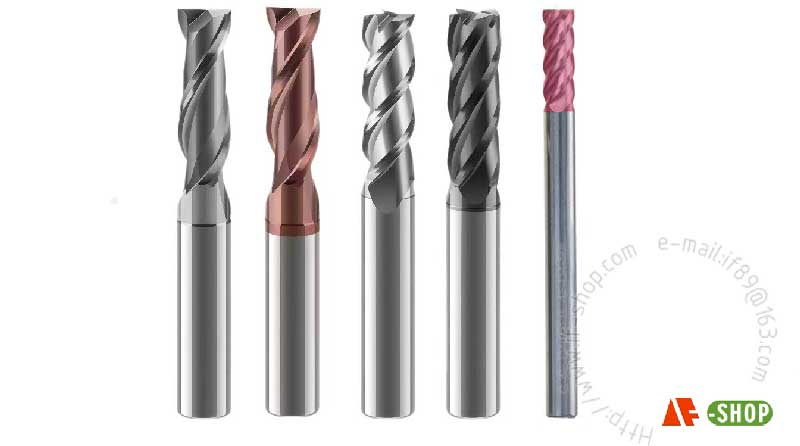
| General 4-edge end mill of solid tungsten carbide | |
| Main dimension marking and instructions below: | |
 |
|
| -Size example (mm) : D8-d8-c30-L75-4E (above image) | |
| -Remark: 2E=2F | |
| ►Suitable for processing main materials: | |
|
A. comprehensive type; B.ordinary steel and cast iron and stainless steel; U.aluminum and copper; M.difficult-to-machine materials(Titanium alloy/high-temperature alloy); H.Hardemed material S.Specialized For processing stainless steel; |
|
|
|
 |
|
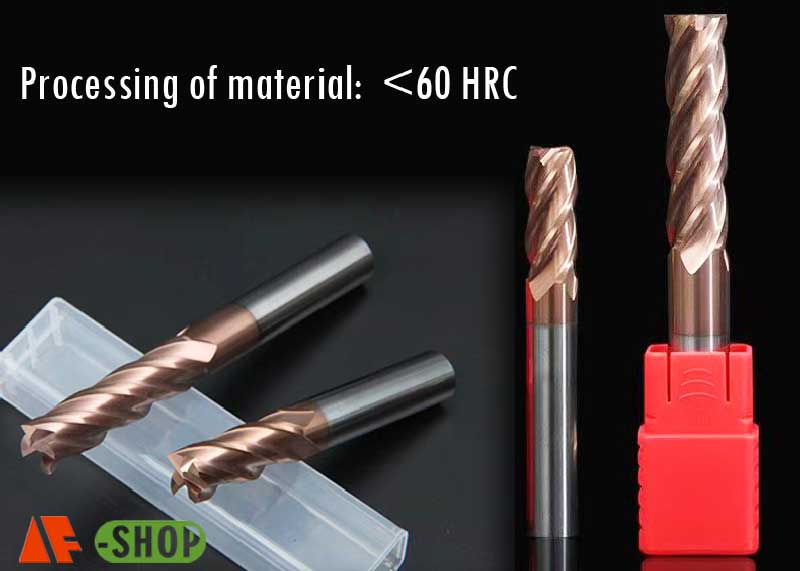
| ►Choose appropriate coatings and tungsten steel mill tools with different compositions according to the requirements of the materials you want to process. | |
 |
|
|
►This product is made of 0.4um particle size tungsten steel hard alloy raw material, belonging to the special material family for high hardness and high-speed cutting
|
|
|
*Choose cutting tools based on metal materials:
a. Steel (ordinary steel, stainless steel, mold steel): tungsten steel with high cobalt (Co) content (such as YG8, YG6X) is preferred, with a balance between wear resistance and impact resistance; TiAlN coating can be added to enhance the anti stick cutting ability when processing stainless steel. b. Aluminum alloy: choose low cobalt (such as YG3X) or cobalt free hard alloy to avoid the reaction between alloy elements and aluminum; TiN (titanium nitride) coating can be selected to reduce friction. c. Titanium alloy/high-temperature alloy: Ultra fine grain tungsten steel with high hardness and high temperature resistance (such as WC Co alloy), coated with Al ₂ O3 to enhance wear resistance.
d, Cast iron: Made of YG hard alloy (such as YG6), with moderate cutting speed to avoid chipping.
*non-metallic materials
Plastic/Wood: Ordinary hard alloy can be used, but it is recommended to choose a round nose knife or a large front angle design to reduce vibration.
|
|
|
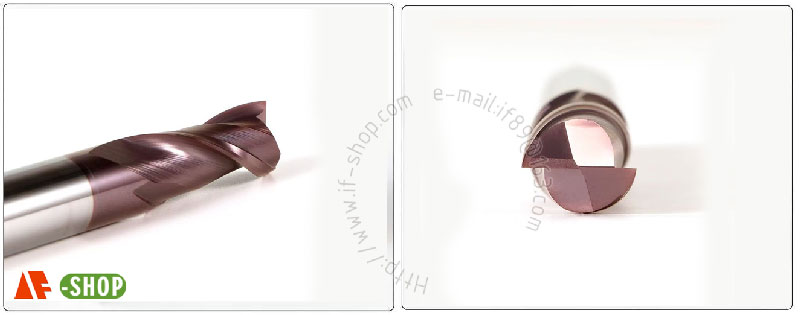
General 2-edge end mill of solid tungsten carbide (as above picture) |
|
|
About The coating technology of tungsten steel milling cutters (hard alloy milling cutters) is one of the key means to improve tool performance. Currently, the mainstream types and functions of coatings are as follows:
*Common coating types and characteristics |
|
| 1. TiN | |
|
-Color: Golden -Features: Low cost, moderate wear resistance and oxidation resistance, mainly used for ordinary cutting processing. -Function: Reduce friction between cutting tools and workpieces, extend tool life, suitable for processing non-ferrous metals such as aluminum and copper. |
|
|
2. TiAlN |
|
|
-Color: Silver-gray
|
|
| 3. AlCrN | |
|
-Color: Silver gray or dark gray
|
|
| 4. DLC(diamond-like carbon coating) | |
|
-Color: Black or Dark Grey
|
|
| 5. TiCN | |
|
|
|
| 6. Other special coatings | |
|
|
|
* The core function of coatings: |
|
|
|
|
| *Choose Suggestions | |
|
- summary - The specific selection needs to be comprehensively considered based on factors such as workpiece material, processing speed, and machine power to achieve efficient and low-cost processing goals
|
|
 |
|
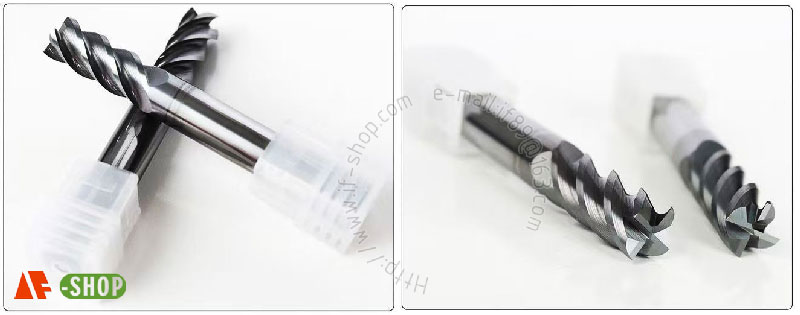
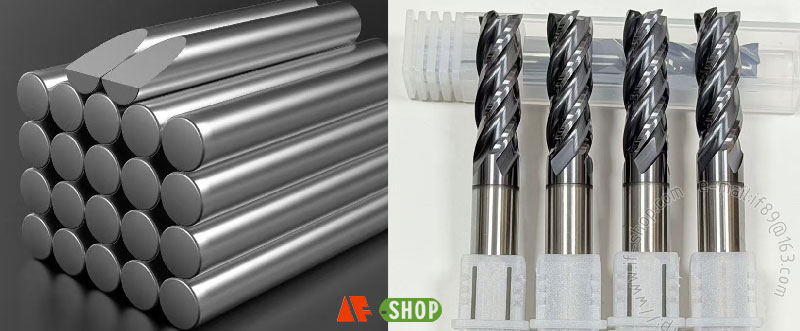
| General 4-edge end mill of solid tungsten carbide (as above picture) | |
|
Our end mill material parameter: |
|
 |
|
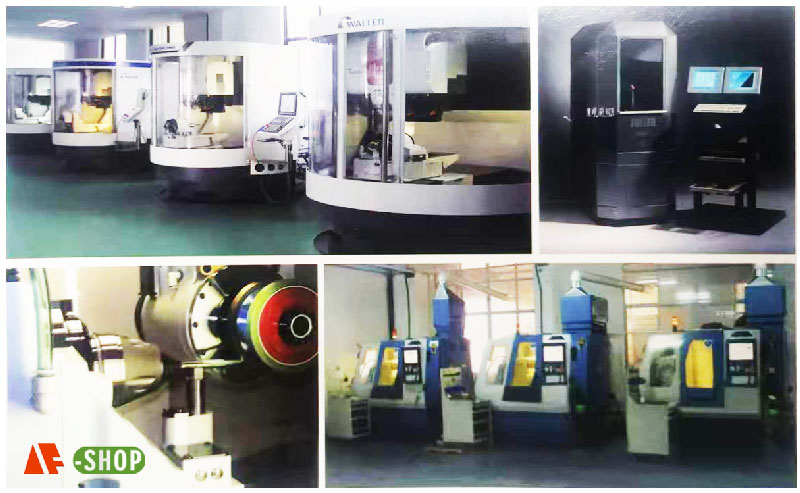
| Production testing End mill and application equipment (as above) |
Details
Reviews
Tags
TAGS:


